


Chico State students Veronica Ulloa, Kierra Alford, Isa O’Brion and Nataly Garcia remember what it was like to walk onto campus and feel out of place.
Most people they met seemed to be from Los Angeles or Sacramento. Meanwhile, they said their towns were best known for having one stoplight or being home to the county’s only Walmart.
Because of this, some students avoided telling other people where they were from. They struggled to connect with peers who did not need scholarships to get to college. And the learning curve to find resources on campus often felt steep.
But when they joined North State Student Ambassadors, a rural affinity group, they said things changed. They started to actively address some of those challenges.
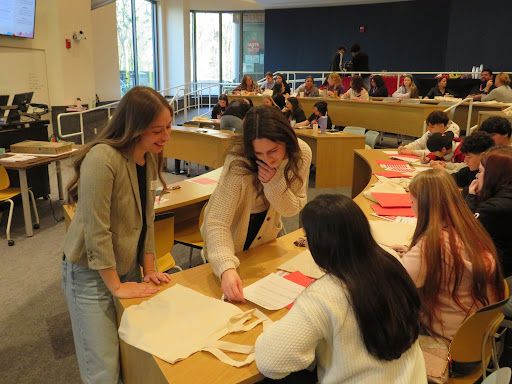
These paid student ambassadors have led efforts to create a stronger sense of belonging and community among rural students on campus, strengthened outreach to rural high school students in the university’s 12-county service region and researched topics related to rural student success and identity. They even hosted two conferences for rural high school students.
Because of this work, these young people also have a unique perspective on the practical implications of a sense of belonging and pride in rural identity, as well as what local and higher education leaders can do to better support rural youth.
“The job has impacted me so much. I just think of being rural so different now,” said O’Brion. “Before, I didn’t really understand what it meant. I just thought, ‘oh, I’m from a small town, so that makes me rural.’ But I think it makes me who I am and I’m really proud of that.”
Here are a few more snippets of our conversation.
Emily Lytle: What difference do you think that makes having that sense of pride in where you’re from when it comes to your success as a student?
Veronica Ulloa: A lot of time within the media or just everyday discussion with people, you look at being rural as a deficit, like: “We don’t have access to wifi. We don’t have a great internet connection. It’s a food desert.” But we do a lot of work in this group about flipping the narrative. When you come from a rural area, you have different characteristics. You’re very scrappy. You have a great network of people to rely on. And even though seeing everybody at the grocery store sometimes can feel like a little much, you have a really big support system. There’s definitely a difference between a rural student and an urban student. And I think that it’s important for higher education institutions to recognize that there are good qualities of a rural student. And it also took a lot for a rural student to get to higher education.
Isa O’Brion: Also, I got to work at different places. I worked at a local deli, I’ve worked at local schools, and then I worked as a janitor my senior year. So just different opportunities and skillsets I’ve gotten from those just because maybe I knew somebody and then they were hiring. And then since we do live in a lower-income community, we have so many scholarships because I wouldn’t have been able to go to college, or at least a four-year university, my first year without that support.
Kierra Alford: When we host our conference or when we go back to speak in classrooms, it makes me really proud to be there because I was speaking to my past self in a way. These are a bunch of things that we do now that I wish we would’ve got to experience when we were in high school. So being able to do that and seeing their faces light up when someone’s talking about college from a student perspective … Being able to be that person for them is super empowering and it just makes me want to be successful.
Nataly Garcia: Having a sense of pride, just how everybody has been saying, it just gives you a stride to keep going. Just from coming from a small town, even in high school, I felt like they kind of treated us like, “Oh, well, they’re just going to end up doing a trade, or, they’re just going to end up staying here forever.”
And don’t get me wrong, maybe I do end up retiring in Los Molinos. Even just going back, it is something I see myself doing. But I think it’s always showing people that you can do it. I know there were underclassmen that would talk to me about it and be like, “Oh, how’d you get this scholarship? How’d you do it? How’d you get into college? What’d you say? What’d you do?” And it’s like, okay, these people are slowly starting to look up to other people.


Lytle: What would you want people to know, especially people that are working in higher ed or working to address challenges related to supporting rural youth?
Ulloa: It’s really hard to go from a tight-knit community to a college, especially where I think 12% of graduates from my high school went to a higher education institution after graduation. It’s looked at positively when you go to college, but I think it’s also really hard because that’s not really the norm in a rural community. An affinity group is a great place to start. Even if it’s a club, even if it’s not a job like this, or we have an affinity space in the library for rural students. It’s so easy to get lost in college as a rural student because it’s completely different, and it’s easy to feel like, “oh my gosh, I don’t know anything and everything’s against me right now because it’s all new.”
For returning to your rural community and the workforce, it’s kind of hard to see what the job opportunities are in a rural community when you’ve grown up there. Especially in high school, I remember [thinking], “Oh, I can be a welder, I can be in ag or I can be in health care.” [A year or two ago in] Tehama County, they took students and they showed them all of the different job opportunities in the county, and they were all different. And so I think making it known in the community itself, what opportunities there are is really important because then there’s that incentive.
Alford: Our high school has been getting a little better at this since we graduated, but when it came to scholarships, they just would put them in a little file in the office, and you had to go grab it or they wouldn’t really fully announce it. So there was a major lack of support or sharing of knowledge about college.
And learning about other jobs, for example, I would’ve loved the opportunity to go see what counselors in my home community do, what exactly that job entails in my community. Sometimes they host career days, but most of the time it’s law enforcement, firefighters, military, or sometimes behavioral health will be there, but they don’t really go in-depth. You don’t get to have that one-on-one speaking [opportunity] with an individual who’s in a career that you would like. And I feel like if they did more things like that, then students would be able to ask those questions.
O’Brion: I want to move back to Siskiyou County and teach just because that rural narrative has really flipped for me, and I value my community so much more now that I’ve been in this job and been in this role. If I stayed there in high school and everybody was so negative about my town, I would’ve been like, “wow, I’m stuck here. I can’t go anywhere.” But now I value it, and I love it there.
This interview has been edited lightly for length and clarity.
Mile Markers

Sign up for the newsletter
A biweekly newsletter about higher education and rural America. Produced by Emily Lytle, rural engagement reporter at Open Campus.