

Welcome to Mile Markers, a twice-a-month newsletter about rural higher education.
And welcome back to school for all the educators returning to classrooms. Living in a college town in Missouri for the past few years, I can always anticipate the shift – and it’s not only the fact that the line at my favorite bagel spot is a little longer.
If you’ve been following along, you know that I’ve been in learning mode since starting as the rural engagement reporter at Open Campus, talking to as many people as I can and reading about all things rural higher ed. After many of these conversations, I’ve left feeling inspired about how especially rural community colleges are building strong partnerships with other local organizations and employers – as well as K-12 schools.
If we haven’t had the chance to meet yet, I would love to say hello! Feel free to email me or find a time on my calendar to chat here.
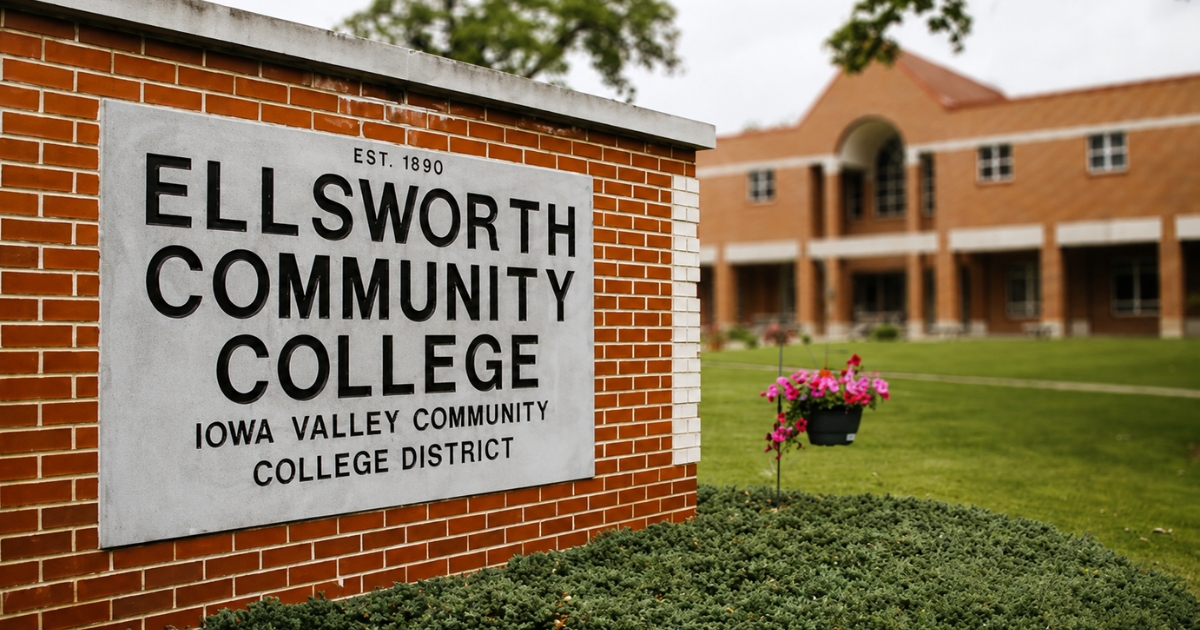
I recently spoke with Barb Klein, provost at Ellsworth Community College in Iowa Falls, Iowa, because Ellsworth was granted $1 million from the state’s Career Academy Incentive Fund earlier this month. The funding will mostly go toward renovating the school’s existing trades and industry building to create a regional career center.
These regional centers are typically based at a community college or high school and serve as a central location where students from multiple school districts can access career and tech courses at the high school and college level.
Specifically, the CTE courses are grouped in series known in Iowa as career academies. At Ellsworth, the four career academies that will be offered when the center plans to open in fall of 2027 are: construction technology, agricultural science, welding and entrepreneurship. This means students could enroll in a career academy in their junior year of high school and graduate in two years with a welding certificate, for example.
Since the fund was established as part of a statewide penny sales tax in 2019, Iowa’s Department of Education has distributed up to $5 million each year to support these partnerships between community colleges and high schools. You can read more about the career academies and regional centers here.
The access piece of this – the fact that it was regional – was what interested me the most, especially for rural students. To qualify for this particular grant, colleges must reach at least 120 students or four school districts, often expanding their reach beyond the most populated areas.
Most of these centers are offering in-person instruction – and it varies whether high schools can provide transportation – but some have opportunities for online learning like Triton Academy at Iowa Central Community College or Des Moines Area Community College’s Templeton Regional Center. In Templeton, a town with fewer than 400 people, college leaders saw the center as an opportunity to connect students living in small towns with both training and local employers, according to reporting from Iowa Capital Dispatch.
Klein similarly said she anticipates the center could help more high school students in Iowa Falls – which has a population of 5,000 – and beyond become aware of local career opportunities, as well as boost enrollment for the college.
“It’s a difference maker for us,” she said. “When we think about the greater good of trying to get more of a skilled workforce across the state of Iowa, it’s a win for the high schools, and it’s a win for us.”
Klein said she was also encouraged by the support from local employers, especially those in the construction industry, who expressed how excited they were to see more students trained in construction and ready to work. Much of Ellsworth’s grant will go toward building out a construction training space so students can practice things like framing a room or plumbing.
Let’s talk more this fall about …
I’m planning a virtual call sometime this fall so we can all connect and share ideas beyond the newsletter. And I could use some help choosing a focus for this conversation. What topics most interest you?
- Ways colleges/universities are supporting their rural students (could be financially or culturally, relating to a sense of belonging/community)
- How higher ed can play a role in meeting rural needs like housing or health care (a big one, I know, but maybe we can find some case studies or examples!)
- Creative partnerships between rural colleges and community/place-based organizations, nonprofits, employers, etc.
- Something else I haven’t mentioned yet?
What I’m reading and attending
This story out of KTSM in Texas helped me understand the financial losses community colleges are facing after the state legislature failed to appropriate sufficient funding. I would be interested in hearing more from rural colleges about how this new outcomes-based model is playing out beyond the bigger cities.
Also on the funding thread, I recognized some rural colleges in this Nebraska Examiner story about how an anticipated 5% cut across all of Nebraska’s state agencies could impact community colleges.
And this Hechinger Report opinion piece from Meredith Archer Hatch and Alyssa Ratledge was the perfect follow-up, expressing the importance of research and evaluation of what is working in rural communities – especially as rural institutions work to stretch dwindling dollars further.
Last week, I attended a webinar from Thrive Community Partners via Radically Rural where the presenters shared some practical tips for increasing students’ awareness about career opportunities, like career baseball cards and employer fact sheets. I’ll be at the Radically Rural Summit Oct. 6-8 and would love to see some of you there!
Lend a helping hand
Do you have an opportunity to volunteer, donate or get involved to support rural learners? I’m happy to connect people with these open doors. For example, in the last edition, we shared an opportunity to review scholarship applications or serve as a mentor with Native Forward. Send me an email if you have something to share.
Rural places to see on my upcoming roadtrip?
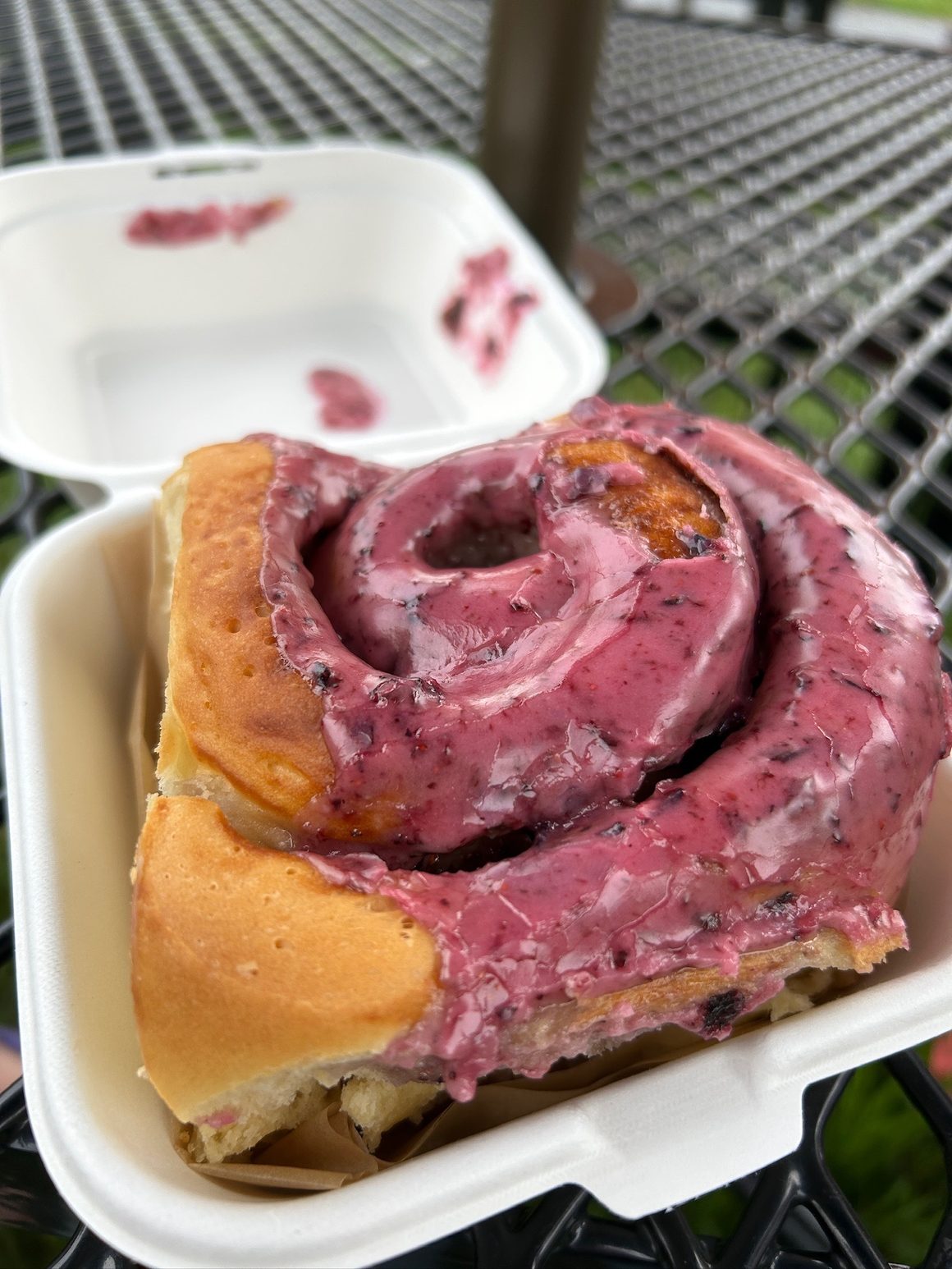
I’m planning a road trip from Missouri to southeastern Pennsylvania. And it made me think about how some of my favorite places I’ve visited were small towns. For example, I fell in love with Wardensville, WV, last summer when my siblings and I stayed nearby. Okay, specifically I fell in love with the blueberry rolls at Wardensville Garden Market.
Do you have favorite small towns or suggestions for stops as I make my way to PA this fall? Reply to this email (I promise it goes only straight to my inbox), and let me know.
I’ll be back in a couple weeks, and in the meantime, feel free to share Mile Markers with anyone else who might be interested, or subscribe here if you were forwarded this email.
Thanks for reading and loving rural.
Talk soon,
Emily
To sponsor a future newsletter, please email sales@opencampusmedia.org. Support our work with a donation to Open Campus. You can also help by sharing this newsletter with your friends. They can sign up for their own copy here.