


Some prison education programs are expanding their services to provide their alumni with a place to live alongside job assistance and other support.
Prisons

Posted inHigher Ed in Prisons
State coalitions emerge as key infrastructure for higher education in prison
This week, we look at the emergence of state coalitions for higher education in prison at a conference organized by the Colorado Coalition for Higher Education in prison.

Posted inCollege Inside
The recordkeeping problem keeping people locked up longer
More than two dozen states have expanded sentence credit laws in recent years. But a new study finds that poor technology and fragmented recordkeeping mean many incarcerated people don’t know what they’re owed — or whether they’ll get it.

Posted inHigher Ed in Prisons
“No good time for you”: The recordkeeping problem keeping people locked up longer
More than two dozen states have expanded time credit laws in recent years. But a new study finds that poor technology and fragmented recordkeeping mean many incarcerated people don’t know what they’re owed — or whether they’ll get it.
Posted inIndianapolis
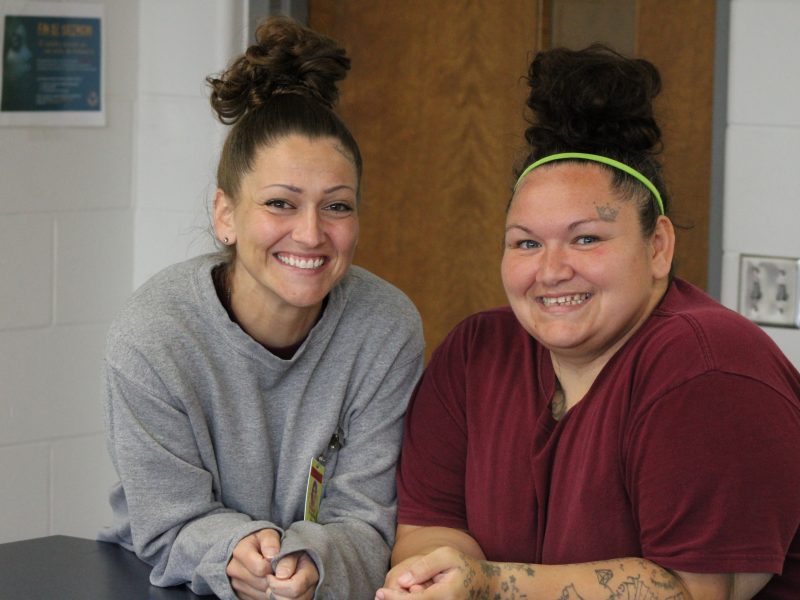
An inside look at college in Indiana Women’s Prison

Around 50 incarcerated women have earned degrees from Marian University since 2019.
Posted inCollege Inside
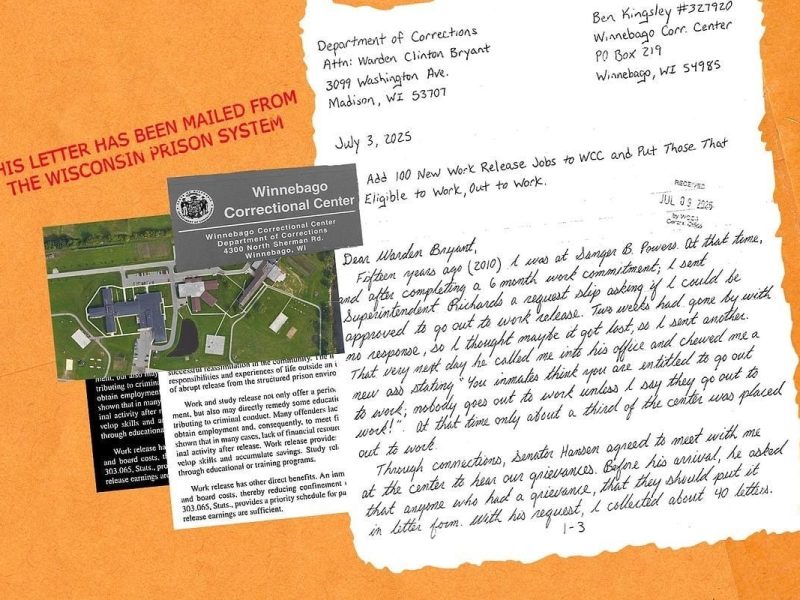
One prisoner’s fight to expand work release jobs in Wisconsin
This week’s issue of College Inside comes from our partner newsroom Wisconsin Watch, where Natalie Yahr reports on an incarcerated man’s push for more work release jobs.
Posted inFort Worth
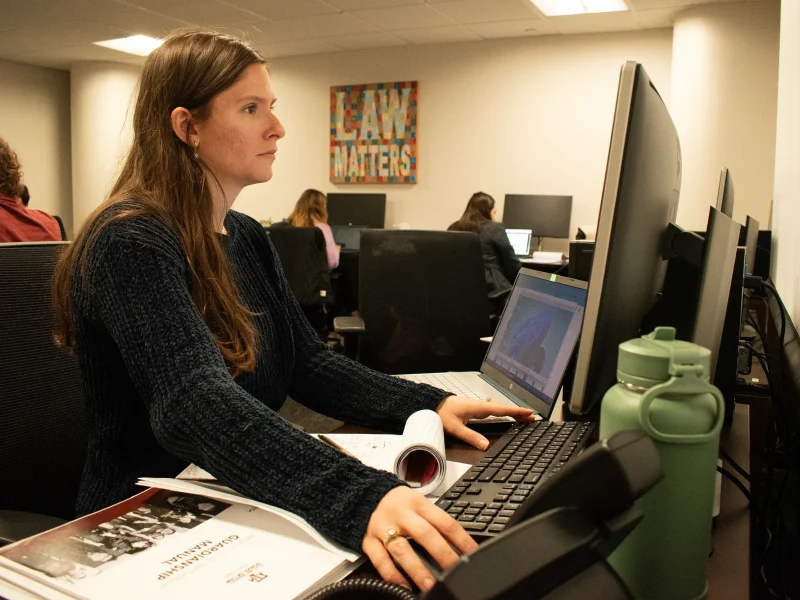
Texas A&M law clinic helps inmates access medical care, gives students real-world experiences

The practical experience helps students understand the gravity of a lawyer’s work, the clinic’s director said.

Posted inCollege Inside
This class helps incarcerated men learn about fatherhood
Claire Rafford from our partner Mirror Indy writes about a program giving incarcerated men the tools they need to be emotionally supportive parents.

Posted inIndianapolis
This class helps incarcerated men learn about fatherhood
“I do matter,” one dad said. “I have to be in their life.”

Posted inCollege Inside
Parole boards say education matters. Their denials tell a different story.
A new analysis from the Prison Policy Initiative finds that while education is supposed to help demonstrate readiness for release, parole boards often treat it as a box to check—or a reason to say no.