


Better data and more urgency on equity gaps—as well as the struggle by businesses to fill open jobs—are fueling an energized push to assess student outcomes.
Workforce
Covering higher education in the 2020s means also covering the alternative pathways and credentials that are rapidly emerging.
Also see Work Shift, our project dedicated to reporting and opinion on the intersection of education and work.

Posted inThe Job
A rising demand for job-relevant training
As companies scramble to hire early-career workers, more people are looking to provide experiential learning.

Posted inThe Job
A lost generation
The latest on the pandemic’s impact on children, higher ed’s mounting challenges, and long-term labor shortages.

Posted inThe Job
Building career pipelines for homeschoolers
Plus, the boom in cannabis credentials and a new potential setback for income-share agreements.

Posted inThe Job
Vanishing for-profits
As the first mega university, the University of Phoenix showed how a focus on working adults and career education could work at scale. Almost a decade ago, though, Phoenix began a long slide. The university’s enrollment last year of 84,000 was roughly one-fifth of its peak.

Posted inThe Job
What value do workers get with manufacturing credentials?
There’s good news and bad news in the results of a five-year effort to study outcomes.

Posted inThe Job
Bootcamps grow up
The sector is expanding rapidly. Amid a boom in offerings by ed-tech companies, several freestanding bootcamps are seeking accreditation, a key step toward being able to accept federal student aid.

Posted inThe Job
A college-wide approach to accelerating student careers
Spelman College and the nonprofit Braven announced a new partnership that will allow every Spelman sophomore to participate in a project focused on excelling after college.
Posted inThe Job
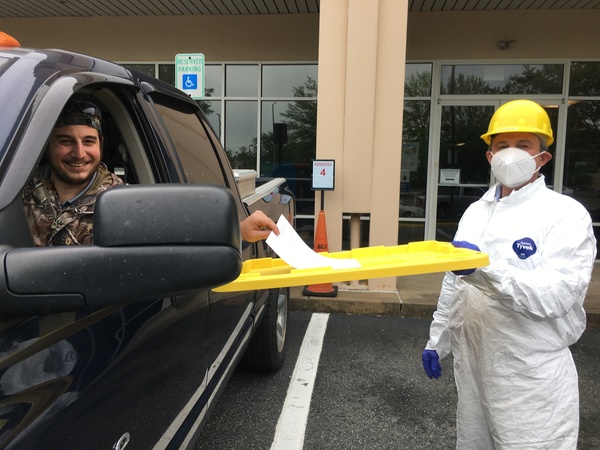
In Virginia, a growing demand for workforce programs
Enrollments in the workforce grant program went up 8 percent in 2020 even while community colleges across the state and the nation saw substantial enrollment declines in credit-bearing programs.

Posted inThe Job
Where Congress is headed on workforce issues
Interest in apprenticeships and other non-traditional pathways to jobs reflects shifts in how people prepare for the job market and move through careers.